Transform Your Car With Top-Tier Auto Tint and Wraps Options
Modifying a car with premium auto tint and wraps can considerably boost its appearance and performance. These treatments blend style and protection, matching individual preferences and needs. From shielding UV rays to improving temperature regulation, the benefits stand out. However, choosing the appropriate options and installation techniques can be challenging. Understanding the various aspects of auto tint and wraps is important for making an informed decision. What should be considered next?
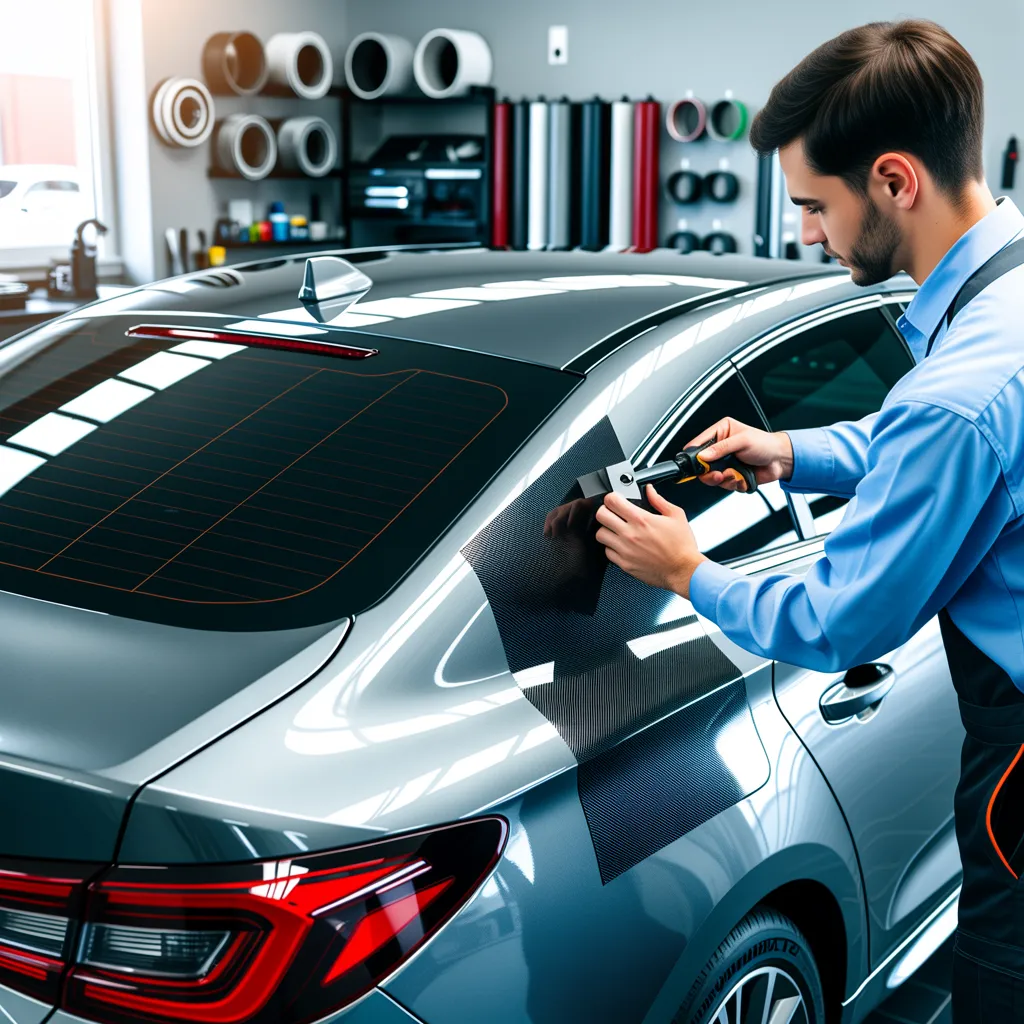
The Perks of Top-Tier Auto Tint and Wraps
Premium auto tint and wraps enhance both the visual and operational qualities of vehicles. These services provide a sleek appearance, allowing vehicle owners to express their personal style while maintaining a polished look. Additionally, premium auto tint functions as a protective layer against dangerous UV rays, decreasing interior fading and protecting passengers from sun exposure. It can also help manage vehicle temperature, enhancing overall comfort.
Moreover, superior wraps deliver a layer of protection against nicks and surface damage, protecting the vehicle's original paint. This can be especially beneficial for those aiming to keep resale value. In addition, wraps can be easily removed or modified, offering flexibility for those who want to update their vehicle's appearance without a permanent commitment. Overall, premium auto tint and wraps merge style with practical advantages, making them a worthwhile investment for any vehicle owner.
Types of Auto Wraps to Consider for Your Car
When assessing vehicle upgrades, auto wraps offer various types, each providing unique benefits and aesthetic options. One common choice is the full wrap, which covers the entire vehicle, allowing for a complete transformation in color and design. This option can greatly alter the vehicle's appearance while also providing protection against scratches and UV damage.
Partial wraps are a different solution, targeting certain regions such as the hood, roof, or doors. This alternative is perfect for those seeking to make a visual impact without covering the original paint job.
For businesses, personalized graphic wraps featuring logos and branding can enhance exposure and market services effectively. Additionally, premium wraps, such as matte, gloss, and metallic finishes, offer distinctive textures and aesthetic impact. Each type of auto wrap fulfills distinct functions, making it essential to evaluate specific preferences and vehicle requirements when selecting the ideal option.
Steps to Pick the Suitable Auto Tint for Your Vehicle
Selecting the appropriate window tint requires understanding the various types offered and ensuring compliance with regulatory requirements. Different tint materials and shades can impact aesthetics, thermal control, and privacy. Familiarity with regional regulations is essential to prevent possible penalties and verify the selected tint aligns with vehicle requirements.
A Thorough Review of Types of Tint
Picking the suitable auto tint can greatly enhance both the visual appeal and efficiency of a vehicle. Various tint solutions are accessible, each offering special perks. Dyed window film is economical and provides privacy while filtering UV rays. Metalized tints reflect heat and boost durability, making them excellent for climates with intense sunlight. Ceramic window films, though pricier, provide superior heat rejection and clarity without interfering with electronic devices. Additionally, hybrid tints combine elements from both dyed and metalized films for a balanced option. When selecting a tint, one should consider factors such as heat rejection, visibility, and personal style preferences. All things considered, the perfect tint type can transform a vehicle's appearance while providing essential protection.
Legal Tint Guidelines
Grasping auto tint specifications is vital for anyone considering auto tint setup. Each state maintains specific statutes controlling the allowable amount of tint shade, typically measured by Visible Light Transmission (VLT) percentages. For example, certain states allow darker tints on rear windows while restricting front-side and windshield tints to paler shades. Furthermore, rules may differ depending on vehicle classification, featuring exemptions for select commercial vehicles. It is critical for vehicle owners to research their state's rules to sidestep penalties and guarantee compliance. Working with a professional tinting provider can provide understanding and support in selecting the appropriate tint that fulfills both visual preferences and legal conditions. Adhering to these regulations will enhance both the vehicle's appearance and protection.
Do You Want Professional Installation or Choose the DIY Route?
When thinking about whether to select expert fitting or a DIY method for auto tint and wraps, the decision copyrights on multiple important considerations. Professional installation often ensures a flawless finish, utilizing skilled professionals familiar with the nuances of different types of material. This expertise reduces risks related to bubbles, misalignment, and damage to the car. Additionally, many experts provide guarantees, offering peace of mind against potential defects.
Conversely, DIY enthusiasts may opt for budget savings and the satisfaction of completing a project on their own. However, this method requires a significant investment of time and dedication, alongside a learning curve for appropriate techniques. Missteps can lead to pricey reapplication or even impairment, possibly negating initial savings.
Ultimately, people should evaluate their proficiency, budget, and intended result, weighing the advantages of professional assurance against the allure of a do-it-yourself project. Each option offers distinct benefits customized for varying tastes and circumstances.
Appropriate upkeep for Your Auto Tint and Wraps
Upkeep of auto tint and wraps remains essential to preserve their appearance and longevity, as neglect can cause premature fading and peeling. Regular attention includes soft washing with a pH-balanced soap and a soft microfiber cloth to avoid scratches. It is necessary to avoid harsh chemical cleaners and abrasive tools that could damage the surface.
Furthermore, car proprietors should permit the tint or wrap to set fully, typically for about a week, before exposing it to extreme weather conditions. Parking in shadowy spots or using a car cover can protect the finish from UV rays and pollutants.
Furthermore, it's advisable to keep the surfaces clear of waxes or sealants, as these can compromise the tint's bond. Finally, regular inspections for any signs of peeling or wear will help tackle problems promptly, ensuring the vehicle remains in optimal shape.
Where to Discover Dependable Tint and Wrap Providers Near You
Where can one find reliable tint and wrap services close by? Individuals searching for established services should start by performing online research. Search engines can supply a list of local businesses with customer reviews, ratings, and service details. Social media platforms and community forums also work as useful references, where users share personal experiences and recommendations.
Moreover, seeking suggestions from your social circle and coworkers can guide you toward credible specialists. Visiting local automotive shops can supply insights about specialized tint and wrap services, since various businesses work with such service providers.
Once prospective candidates are identified, it is necessary to verify their certifications and portfolio, ensuring quality and expertise. Comparing quotes and warranties can also support making an informed decision. Ultimately, thorough research and personal recommendations are fundamental for finding reputable tint and wrap services that will enhance a vehicle's look and functionality.
Regularly Discussed Topics
How extended is the Installation Process generally?
The setup procedure generally takes between two to five hours, based on the vehicle size and similar information complexity of the tint or wrap. Factors such as prep work and drying time can also affect the total timeframe.
Can Auto Tint Affect My Vehicle's Warranty?
Auto tinting usually does not cancel a car's protection, as long as it is professionally applied and satisfies manufacturer guidelines. However, it's wise to examine specific warranty terms to ensure coverage stays valid.
Is It Feasible to Peel Off Decals Without Damaging the Coating?
Wraps can generally be removed without harming the paint if applied correctly. However, factors such as the age of the wrap and paint condition may influence the outcome, so caution is always advisable during removal.
Are There Lawful Limitations on Tint Darkness in My Area?
Tint depth legal limitations change by region. Individuals need to review local ordinances or regulations to guarantee compliance. Violating these requirements may cause penalties or the need for removal.
What steps should I take to ensure my tint supplies adequate UV shielding?
To assess if tint blocks UV rays, one can look at product specs for UV measurements, consult with the professional, or spot indicators showing UV-filtering properties. Measurement with a UV meter can also supply assurance.